How a Well-Designed Website Drives Business Growth
How a Well-Designed Website Drives Business Growth
Websites have become the biggest drivers of business growth in recent times with the advent of digital marketing. It acts like a digital storefront, and in fact, many brands opt for just a website rather than a brick-and-mortar store these days. It makes websites one of the first points of interaction a customer has with a business.
We take a look at how website design directly translates into better business for your store.
12 Ways a Well-Designed Website Improves Business Growth
1. Makes a Strong First Impression
The most obvious advantage of a well-designed website is the first impression it makes on a user. And many a time, that is more than enough to clinch the deal! A website with a visually clean layout and an appealing design immediately connects with the user. It also says to the visitor that the brand is professional in its approach.
Opting for modern aesthetics improves confidence in the brand and makes users engage further. Along with clear messaging, people have a clear idea about the business, and there are no misinterpretations. Choosing proper typography and allocating adequate whitespace can elevate the brand in the eyes of the average user.
2. Builds Trust and Credibility
Trust is one of the most vital commodities in the market today. Lack of confidence in a brand can push it to failure, and this is why most top brands today bank on trust signals through multiple platforms. One such important platform is the business website.
A professionally designed website signals to the user that the brand is reliable and legitimate.
When the branding is consistent, using the same tone, color themes, etc., people also begin to build familiarity with the brand. Familiarity builds trust and credibility, which leads to more business and word-of-mouth marketing. Ensure that you have testimonials features above the fold of the website, and they are verified and not just a paragraph of text or a screenshot.
3. Improved User Experience and Feedback
From the perspective of the average user, a well-designed website is a joy to interact with! Intuitive design language makes it easier to navigate and find exactly what they want without wasting precious time.
A logical site structure means no frustration with 404s, infinite cycles, or links not working. It also ensures that information flows from the top downwards and follows a typical 'visual' content hierarchy.
Transitions and other interactions occur smoothly when creating an overall positive experience. Ensure that there is proper feedback when users interact, such as clicking on buttons or scrolling down the page. Better user experiences encourage them to return and ensure brand recall - a vital aspect of marketing.
4. Optimized Website Navigation
Navigation is the backbone on which the entire user experience of the website rests. Clear and simple navigation helps users find what they want quickly and without any confusion. When adding menus, ensure that you follow a logical layout and don't add more than 2 layers of submenus. These can be tiresome for new users.
Structuring menus properly reduces a lot of frustration for users and ensures everyone has a positive experience with your website. Implementing breadcrumbs is a vital step to improving website navigation, as it is intuitive and proven in the market. Deploy a fully functional search that delivers results for items throughout the website.
5. Ensures a Mobile Responsive Website
Being mobile-friendly is not just an option today - it is mandatory if you want to compete against the top brands. Apart from improving user friendliness, a responsive website is also important when you want to do well on search rankings. Content that is optimized for smaller screens is easier to read for mobile users and doesn't cause frustration.
Most websites have two separate versions - a desktop version and a mobile version. Splitting it this way improves usability for the website. Ensure that you have proper optimizations in place for touch-friendly elements, as they can make it easier to use. Last but not least, mobile-friendly websites considerably reduce bounce rates from mobile users.
6. Delivers a Quicker Loading Website
When talking about website design, few realize that it is not just about the visual elements but also other functional parts as well. A vital function of websites is loading speed, and it is a crucial part of search rankings as well. A quicker loading website is naturally more engaging and improves user satisfaction than a slow-loading one.
On the flip side, a slow-loading website can lead to user frustration or even them clicking away, which registers as a bounce.
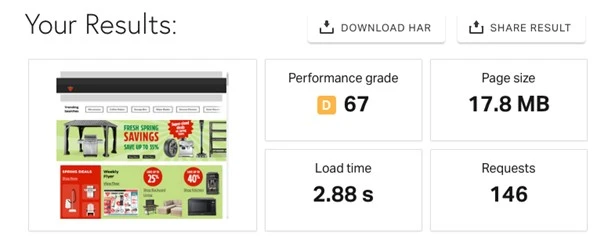
High bounce rates are terrible for your ranking. Loading times can be considerably reduced through compressing images and opting for browser caching. Also, remember to write efficient code and minify it so you can reduce loading times even further.
7. Works With SEO and Other Marketing Methodologies
A professionally designed website is naturally open to being integrated with SEO or other marketing platforms, including social media and paid ads. SEO specifically needs to have a well-structured website for it to deliver results. Optimized coding and layouts play a huge role when it comes to SEO results.
Ensure that there are proper internal linking protocols that can help improve rankings through SEO. Being mobile-friendly is another vital part of the SEO framework and aligns with its best practices. With proper design, you can run paid ads on Google or social media without having to spend a lot of time creating content.
8. Better User Engagement
One of the ways you can improve your business is to keep users engaged on your website.
A good-looking website has a much better chance of doing that than something that looks like it came out of the 90s! Adding interactive elements can keep audiences interested and have longer browsing sessions. A key part of improving engagement is to incorporate storytelling into your branding.
Adding videos and images is a great idea, but they should have a smaller footprint and not slow down loading. Also, never opt for auto playing videos as they can irritate most users. To improve engagement even further, personalize the browsing experience according to user behavior.
9. Guides Users With Clear CTAs
Call-to-action (CTA) phrases and buttons are one of the most powerful elements to help users. They are used to direct users to take meaningful actions on a page, like going to a specific product or category.
CTA placement and theme choice are key when you want to make an impression. The goal of CTAs is to reduce user hesitation as much as possible.

The messaging used in your CTAs should clearly convey to the user what it does. There should be adequate visual contrast on the page to clearly differentiate the CTA text/buttons from other elements on the page. A/B testing for placement, color, and content is a great idea to improve performance.
10. Consolidates Brand Identity and Consistency
It is important for brands, both new and experienced, to have a solid brand identity. It helps them stand out from the competition while also improving brand recall in a crowded market.
Website design is a huge contributor to brand identity, and brands can achieve this through multiple ways. The most common way to get this done is to fix a color palette of about 3-5 colors and then stick to it throughout the website.
Ensure that there is visual consistency, including typography, whitespace, borders, menus, and others. Brand messaging is also about visual identity, and being cohesive with these elements helps establish that.
11. Better Lead Generation Quality
Making strategic choices about your website design attracts qualified leads to your website. The better the quality of leads is, the less time they spend in your sales pipeline before being converted to a customer.
To this end, ensure that your forms are short and optimized. Nobody likes filling out forms, but making it simple and easy to fill out is a good starting point.
Highlight clear value propositions about your brand/products and be transparent when it comes to your shortcomings. Well-designed landing pages are great sources of high-quality leads, especially for targeted marketing campaigns.
12. Enables Data-Driven Design Choices
The biggest advantage of website design today is the availability of analytics platforms that can deliver accurate data in real-time. A website that is professionally designed can integrate with these analytical tools more easily, which gives marketers an edge over their competitors.
It allows businesses to understand user preferences and behavior patterns, helping them optimize their marketing accordingly. Continuous and intensive analysis can support long-term growth of the brand and dictate design choices of the website.
Key Takeaways
● Creating a visually appealing website makes a strong first impression.
● Maintaining a consistent design language ensures a strong brand image and recall.
● Improving user experience through design results in more engagement, translating into more business.
● Optimizing website navigation can help users find what they want without being frustrated.
● Reducing loading times can prevent users from clicking away from your website.
● Focusing on professional design helps to integrate with modern analytics platforms.